
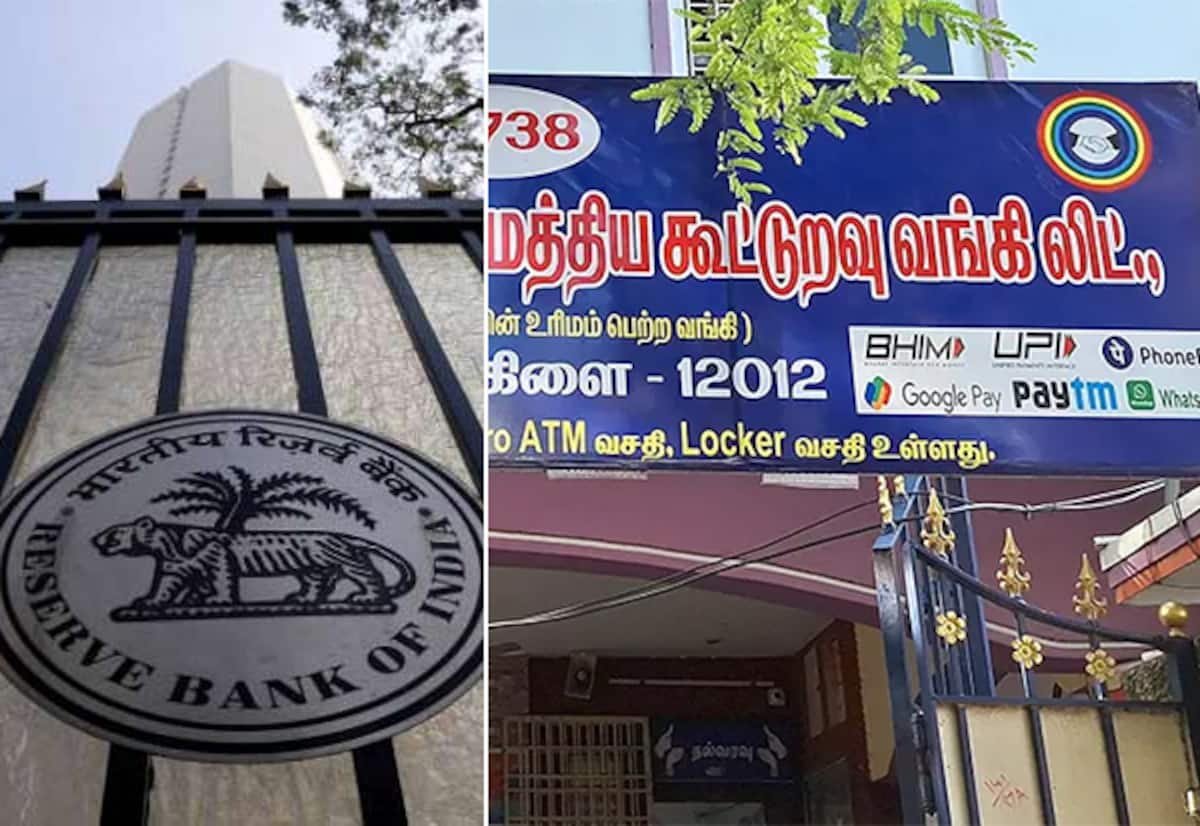
Madurai: Despite approval from the Reserve Bank of India (RBI), Tamil Nadu has not moved to consolidate urban co-operative banks and district central co-operative banks, leaving them struggling to compete with nationalised and private lenders.
The co-operative sector in the state includes urban co-operative banks, the state co-operative bank, district central co-operative banks and primary agricultural co-operative credit societies. Around 126 urban co-operative banks operate independently, with transaction volumes ranging from about Rs 10 crore to Rs 300 crore.
Tamil Nadu Co-operative Bank Employees Federation state general secretary Sarveswaran said the scattered, district-wise structure keeps transaction volumes low and weakens their ability to face competition. He warned that as national banks merge into larger entities, smaller co-operative banks risk being left behind due to limited capital and inadequate technology adoption.
He pointed to operational constraints even where core banking exists: customers cannot easily transfer or withdraw funds across districts between urban co-operative banks. With 24 district central co-operative banks using a common code linked to the state apex bank, borrowers also face difficulty paying EMIs from anywhere. He added that the lack of separate IFSC codes for urban co-operative banks makes it harder to attract younger customers.
According to him, the RBI has permitted merging district central co-operative banks into a Tamil Nadu Co-operative Bank and consolidating urban co-operative banks into regional banks. However, he said the state government has not initiated the process, keeping the co-operative banking system in a lagging position.