
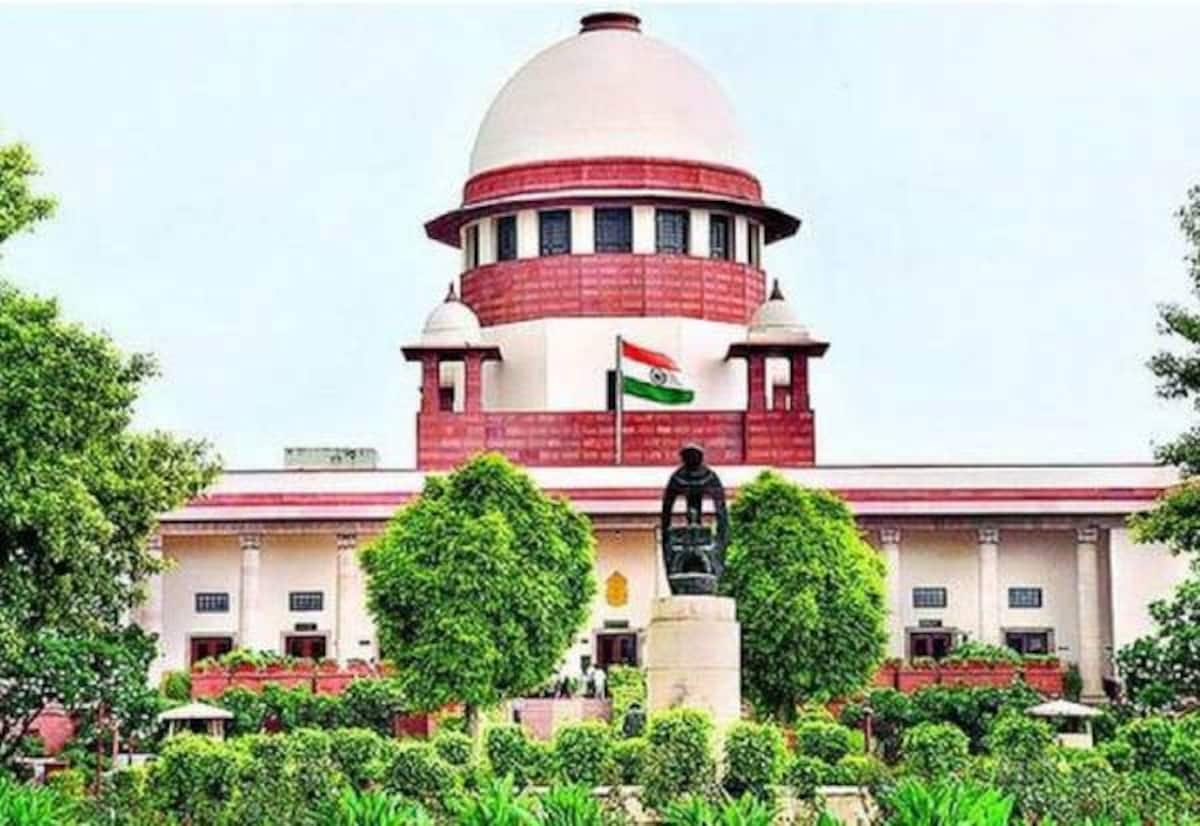
The Supreme Court has advised the Union government to ensure that CBSE Class 9 students do not face any pressure due to the three-language learning policy, and to address any practical difficulties without delay.
The policy, introduced under the National Education Policy, has been implemented in CBSE schools from July 1. Under the plan, Class 9 students are required to learn three languages, including two Indian languages.
Multiple petitions challenging the three-language policy were heard by a bench led by Chief Justice Surya Kant, along with Justices Jaymalya Bagchi and V. Mohana. Appearing for the Centre, Additional Solicitor General Aishwarya Bhati said India has about 7.5 lakh schools, of which only 4.45% are CBSE institutions, and that 99.19% of CBSE schools already follow the practice of teaching two Indian languages.
During the hearing, Justice Jaymalya Bagchi also flagged the use of the word “native” in a CBSE circular, saying it evokes colonial-era usage, and suggested replacing it with “indigenous.” The court further said implementation barriers must be removed, qualified teachers should be appointed for new languages, and adequate infrastructure ensured. It also stressed that Indian and regional languages should not be viewed with inferiority and that all languages must be respected equally.