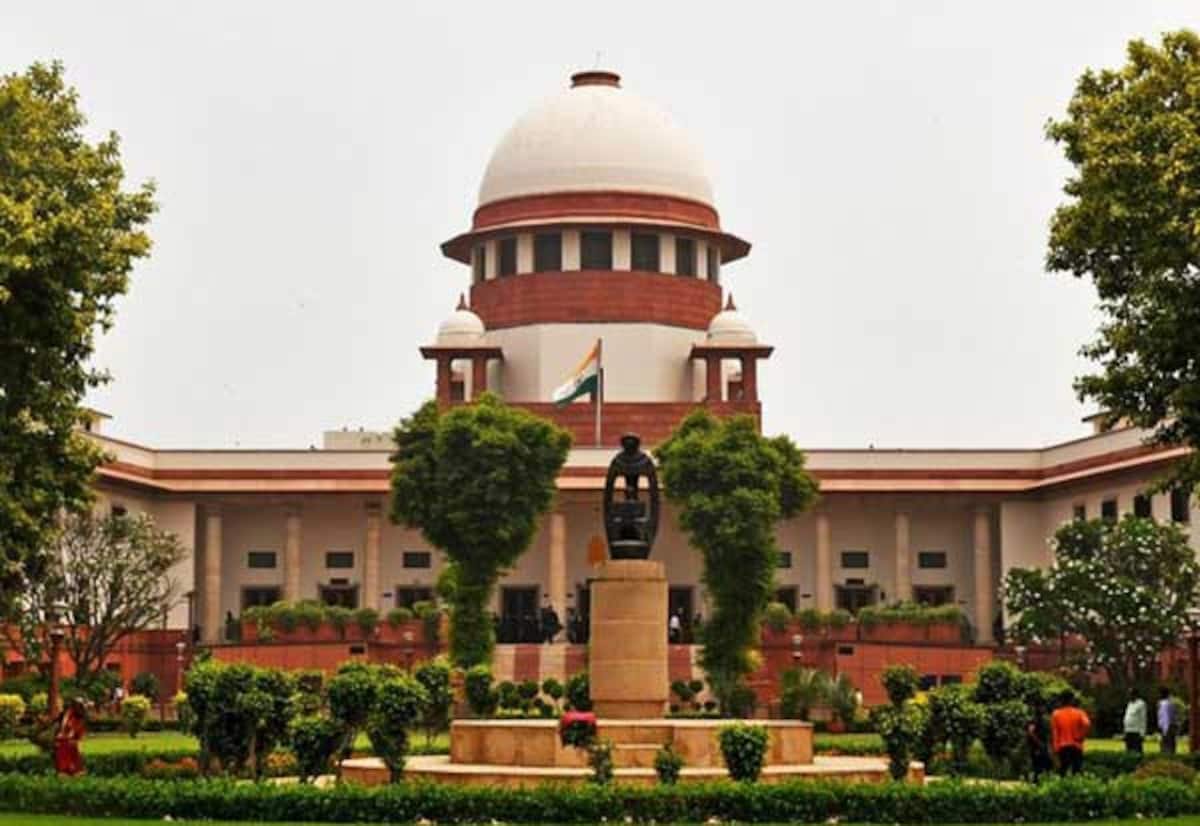
The Supreme Court has ruled that the Bar Council of India and State Bar Councils do not have the authority to initiate disciplinary action against law students. The court said such powers arise only after a person is enrolled as an advocate.
The case stemmed from events at NALSAR University of Law in Hyderabad, where students staged protests after reports said Chief Justice Suryakant would attend the university’s convocation. Following the protest, the Bar Council of India issued a circular directing State Bar Councils not to enrol any student graduating in 2026 until an inquiry into the protest was completed.
After objections were raised, the Bar Council of India withdrew the circular within hours. A petition was then filed in the Supreme Court challenging the circular.
A bench comprising Chief Justice Suryakant and Justices Jaymalya Bagchi and Mohana held that disciplinary control over students lies with their educational institution or the competent authority designated under the institution’s rules and by-laws. The Bar Councils, the bench said, can proceed only once a law graduate is formally registered as an advocate.