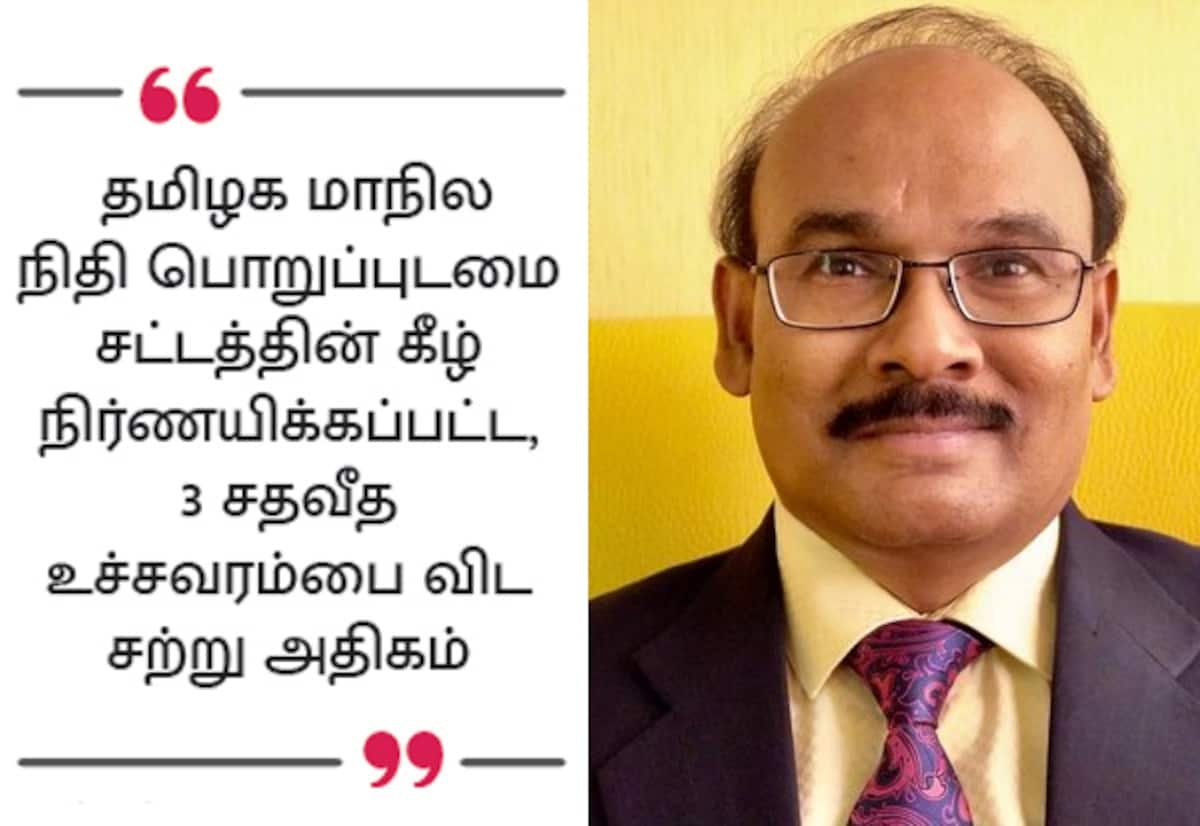
Chennai: The Chief Accountant of the Indian Audit and Accounts Department, Tirupati Venkatasamy, has flagged Tamil Nadu’s rising debt servicing costs as a matter of concern, even as the state’s overall debt repayment capacity remains stable.
Speaking after the submission of seven audit reports, he referred to the CAG’s audit report on the state’s finances for 2024–25, which was tabled in the Assembly. The report noted that the revenue deficit increased from Rs 45,121 crore in 2023–24 to Rs 45,840 crore in 2024–25, and that the state did not meet the 15th Finance Commission’s projection of achieving a revenue surplus despite growth in GSDP.
The fiscal deficit stood at Rs 1.01 lakh crore, slightly above the 3% ceiling set under the Tamil Nadu Fiscal Responsibility Act. Subsidies accounted for 16% of revenue expenditure and rose by 39.35% to Rs 14,854 crore, with key drivers cited as the women’s entitlement cash scheme and subsidies paid to the power utility for agricultural electricity use.
As of March 2025, the state’s investment in public sector undertakings and corporations was Rs 61,735 crore, but the return on these investments was only 0.83%, while the government paid 7.78% interest on its borrowings. The audit also pointed out that of Rs 42,393 crore in new investments made during the year, Rs 38,664 crore went into loss-making entities, including the power utility and seven transport corporations.
The ratio of interest payments to revenue receipts rose from 20.24% in 2023–24 to 21.18% in 2024–25, indicating higher pressure from debt servicing. The official warned that a significant portion of new borrowing is being used to repay old debt rather than fund productive capital expenditure, potentially constraining the state’s ability to roll out new development projects.