
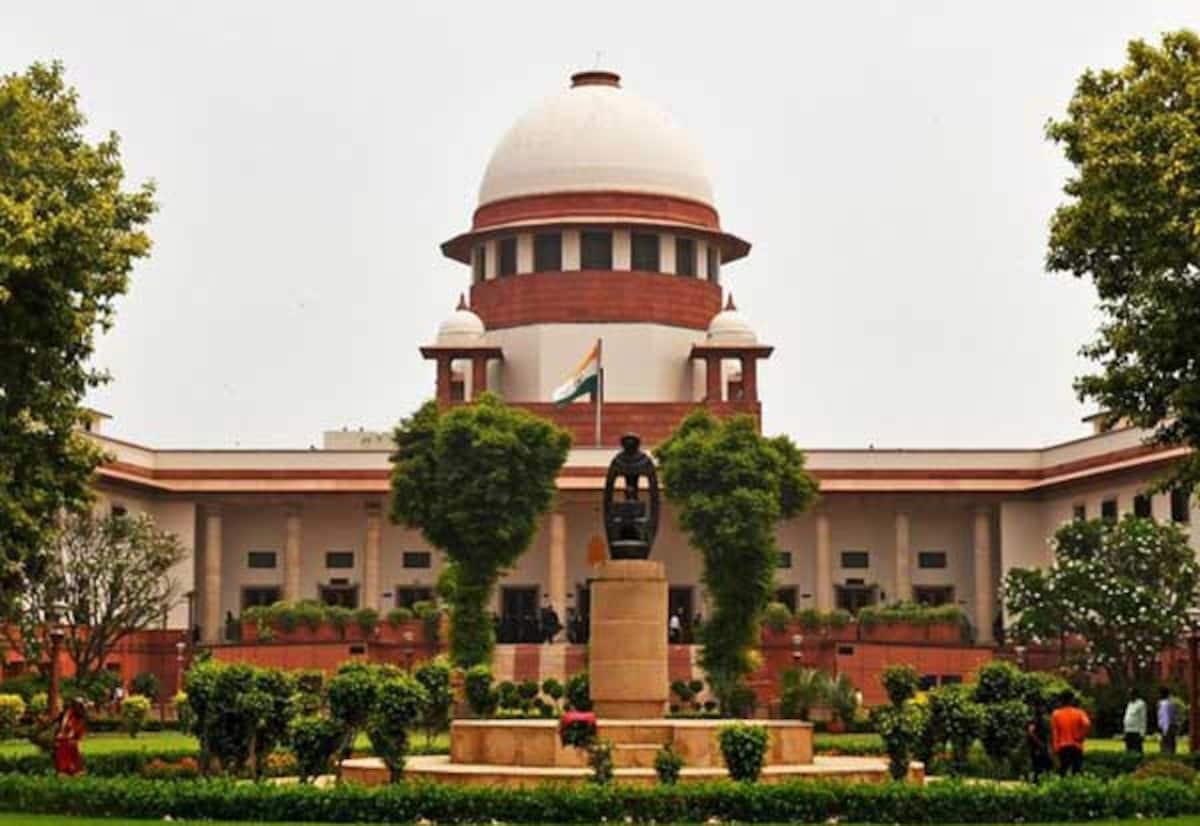
The Supreme Court has expressed concern that corruption trials are getting prolonged because investigating agencies and prosecutors often add documents and witnesses that are not directly connected to the case.
The observation came while hearing an appeal against a Gauhati High Court verdict in a case linked to Assam’s Animal Husbandry Department. The complaint, dating back to 1993, alleged a misappropriation of Rs 5.97 lakh through fake medicine receipts. The High Court had convicted the department’s then in-charge under the Prevention of Corruption Act.
A bench of Justices J.B. Pardiwala and Vinod K. Chandran noted that to sustain a conviction under Section 13(1)(d), there must be proof that the accused obtained an undue advantage or secured a monetary benefit from another person. The bench pointed out that the High Court itself had recorded that the appellant did not receive any money as a gain, making the conviction under the Act unsustainable.
The court also highlighted that although 62 prosecution witnesses were examined, the High Court relied only on nine, indicating that the remaining witnesses were unnecessary. It further noted that the investigating agencies had not examined whose bank account received the funds when money was released from the government treasury.
On these grounds, the Supreme Court set aside the conviction and acquitted the appellant of all charges.