Concerns over student safety in Delhi’s private hostels and paying-guest (PG) accommodations have intensified after a five-storey building in Satya Niketan collapsed, killing seven people. The incident has renewed criticism that while the capital is spruced up for major international events, everyday safety and housing needs of young residents receive less attention.
The collapsed building, known as “Hostel Days”, was around 50 years old and housed many students studying in colleges around Delhi University’s South Campus. Officials note that this is not the first incident in and around Delhi affecting students, with past tragedies highlighting gaps in basic safety measures.
In July 2024, three students preparing for civil services exams died after rainwater entered the ground floor of a coaching centre in Old Rajinder Nagar. Separately, a fire at a coaching centre in Lucknow in June killed 15 people; an inquiry found safety lapses including a biometric door that did not function properly. Critics say that after each incident, promises of stricter rules and inquiries fade until the next tragedy.
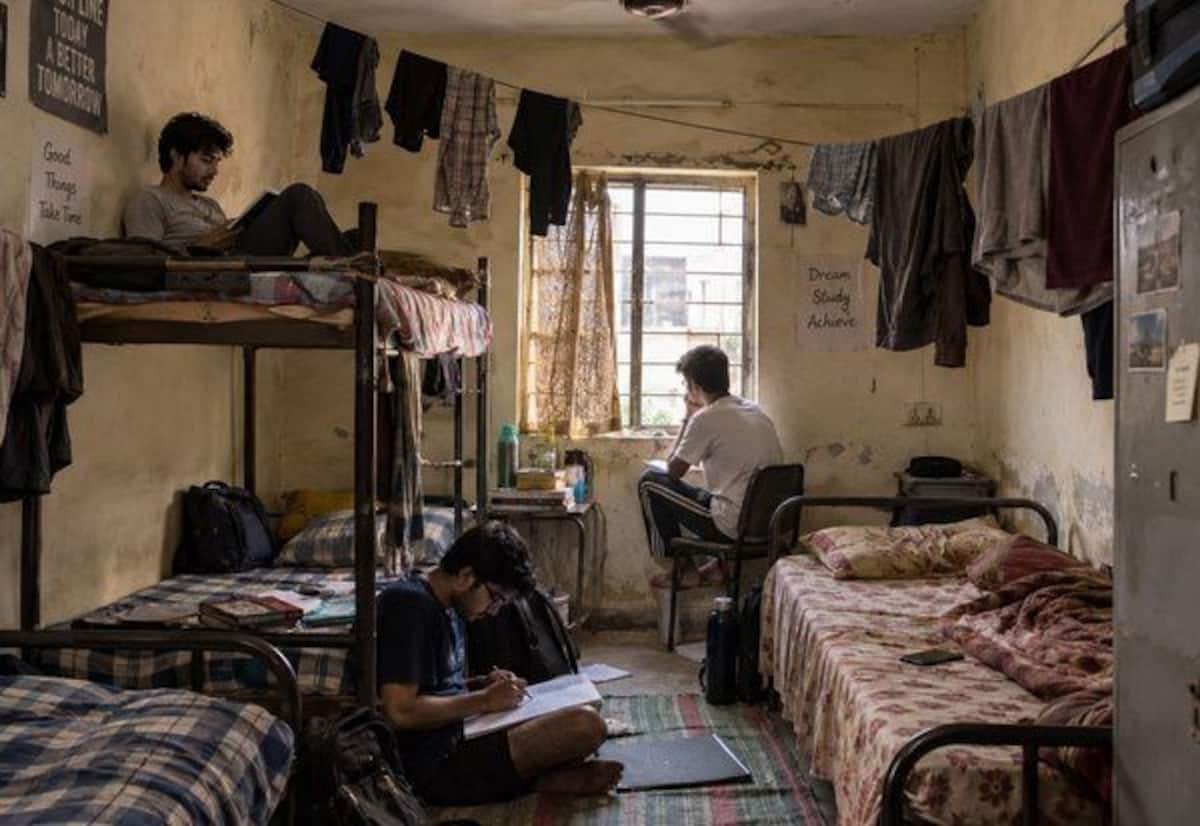
Delhi draws large numbers of young people for higher education and jobs, but university hostel capacity remains limited. Delhi University’s 2024–25 report says it has over 2.5 lakh regular students, while hostel accommodation is about 9,000 beds; in several affiliated colleges with over 25,000 students, hostel facilities are available for only about 1,250.
With many students forced to live outside campuses, private accommodations—often in buildings built 40–50 years ago—have expanded, charging roughly Rs 11,000 to Rs 25,000 per month. Following the Satya Niketan collapse, Delhi University Vice-Chancellor Yogesh Singh has asked college principals to prioritise housing issues, while the Delhi government has prepared a draft policy to regulate private hostels across the city, covering registration, safety norms, rent, deposits, eviction and grievance redressal.