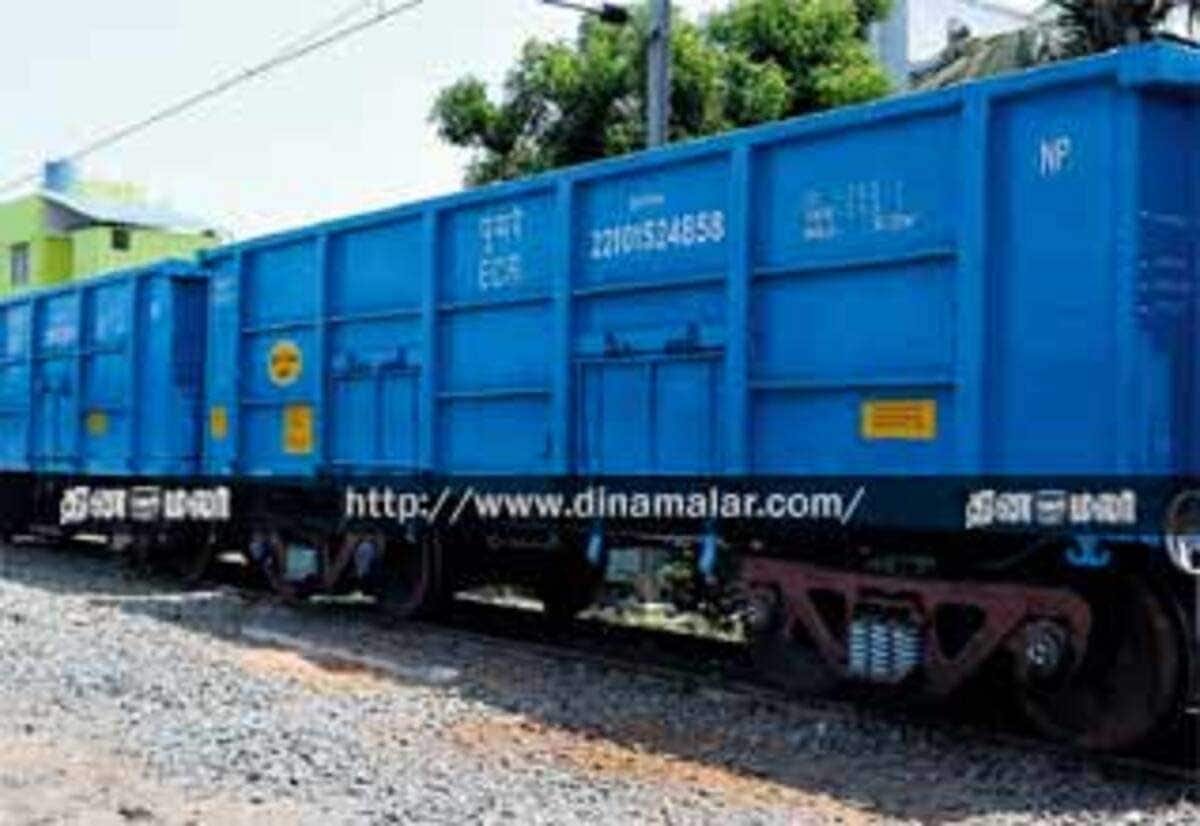
India has completed and commissioned a 2,843-km Dedicated Freight Corridor (DFC), described as a major milestone in the country’s infrastructure and economic development. The project is intended to reduce delays caused by freight trains sharing tracks with passenger services.
The Railways built two main corridors—Eastern and Western—at a total cost of ₹1.24 lakh crore. The 1,337-km Eastern corridor was already operational, while the remaining sections of the 1,506-km Western corridor were completed recently.
Prime Minister Narendra Modi inaugurated the last 326 km across three key sections at an event in Vadodara, Gujarat, dedicating the full DFC network to the nation. The Eastern DFC runs from New Sahnewal (Ludhiana, Punjab) to New Sonnagar (Bihar) via Haryana and Uttar Pradesh, while the Western DFC connects New Dadri (Uttar Pradesh) to Jawaharlal Nehru Port at New JNPT (Maharashtra) via Haryana, Rajasthan and Gujarat.
According to the Prime Minister, the completed corridors can enable operations of more than 430 freight trains daily and reduce transit time from about 30 hours by road to 10–12 hours. Railway officials said freight trains that earlier moved at around 25 kmph on mixed-use routes can run at 70–80 kmph on the dedicated lines, and the electrified, higher-clearance tracks allow double-stacked container movement.
Following the DFC rollout, the Railways has begun planning additional freight corridors, including Kharagpur–Vijayawada (East Coast), Bhusawal–Kharagpur (East–West) and Vijayawada–Itarsi (North–South). The Railways Ministry also reported a 6.27% year-on-year rise in freight revenue, with freight volumes increasing from 13 crore tonnes last August to 14 crore tonnes this year.