India has firmly rejected claims of a China–Pakistan boundary, stating that no such border exists and that any related joint mechanism operates without legal basis.
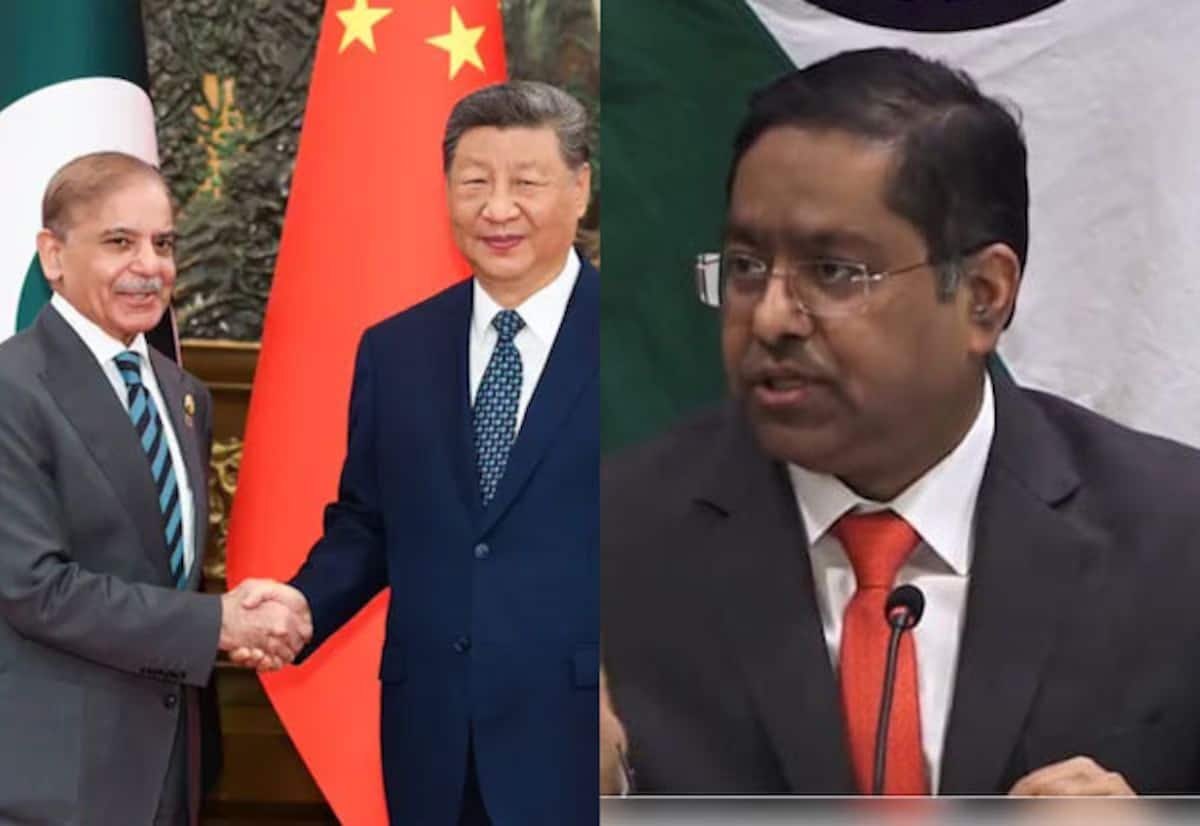
The response came after a meeting of the Pakistan–China Joint Boundary Commission, attended by officials from China’s foreign ministry border and ocean affairs department and Pakistan’s foreign ministry. Pakistan described the meeting as a milestone in bilateral ties.
Reacting to the development, External Affairs Ministry spokesperson Randhir Jaiswal said India’s position remains “clear and consistent”. He reiterated that the entirety of Jammu & Kashmir and Ladakh is an integral and inalienable part of India.
India also said Pakistan, which it described as being in illegal occupation of parts of Indian territory, has no standing to enter into agreements concerning those areas. New Delhi has long maintained that the 1963 China–Pakistan boundary agreement—linked to areas between China’s Xinjiang and Pakistan-occupied Gilgit-Baltistan—is illegal and invalid.
India said it will strongly oppose any attempt to alter the status of occupied territories or legitimise illegal occupation in ways that undermine India’s sovereignty and territorial integrity, adding that such cooperation between China and Pakistan is unacceptable and does not affect India’s claims. It also called on Pakistan to stop such actions and withdraw from the illegally occupied areas.