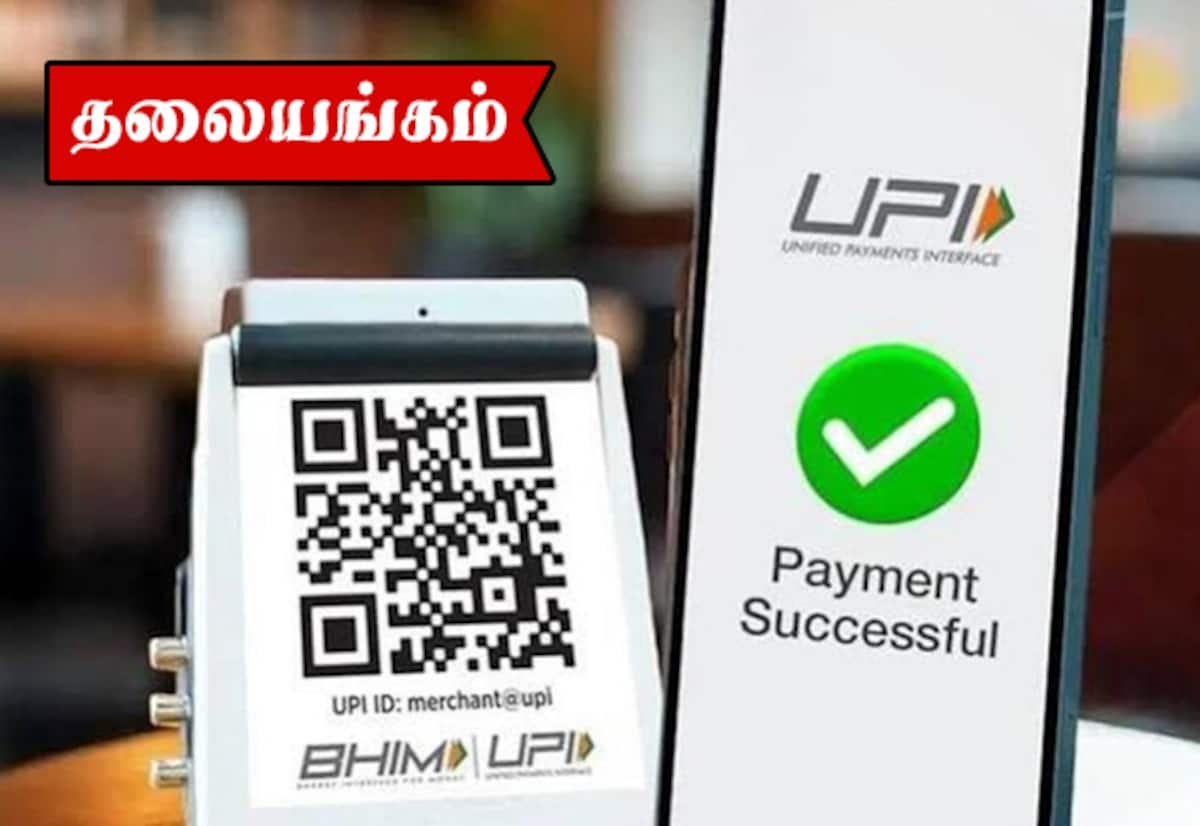
India’s Unified Payments Interface (UPI), launched in 2016, earlier carried a Merchant Discount Rate (MDR) that was set to zero in 2020 to encourage digital payments. With UPI usage expanding rapidly, banks and payment service providers say the cost of handling volumes and maintaining technology infrastructure has increased.
Against this backdrop, the Union government has decided to bring back an MDR-linked charge for certain UPI transactions. From October 15, a 0.4% fee will apply to business transactions above Rs 2,000, according to the announcement.
For high-value payments, the fee will be capped at Rs 300 for transactions of Rs 75,000 and above. The charge will apply only to payments sent from individuals to merchants, while person-to-person transfers between friends and relatives will remain free.
The government has also specified a flat fee of Rs 5 per transaction for select categories such as railway tickets, fuel, agricultural inputs, credit card dues, telecom or utility payments, insurance premiums and taxes. Small merchants using UPI QR codes with monthly transactions up to Rs 1 lakh will be exempt, and the Finance Ministry said this means 96% of transactions will not be affected.
UPI volumes have surged, with the 2025–26 financial year alone recording transactions worth over Rs 314 lakh crore, the report said. The government believes the revised fee structure can provide a steady revenue stream for banks and payment firms to invest in capacity, enabling smoother digital payments at scale.