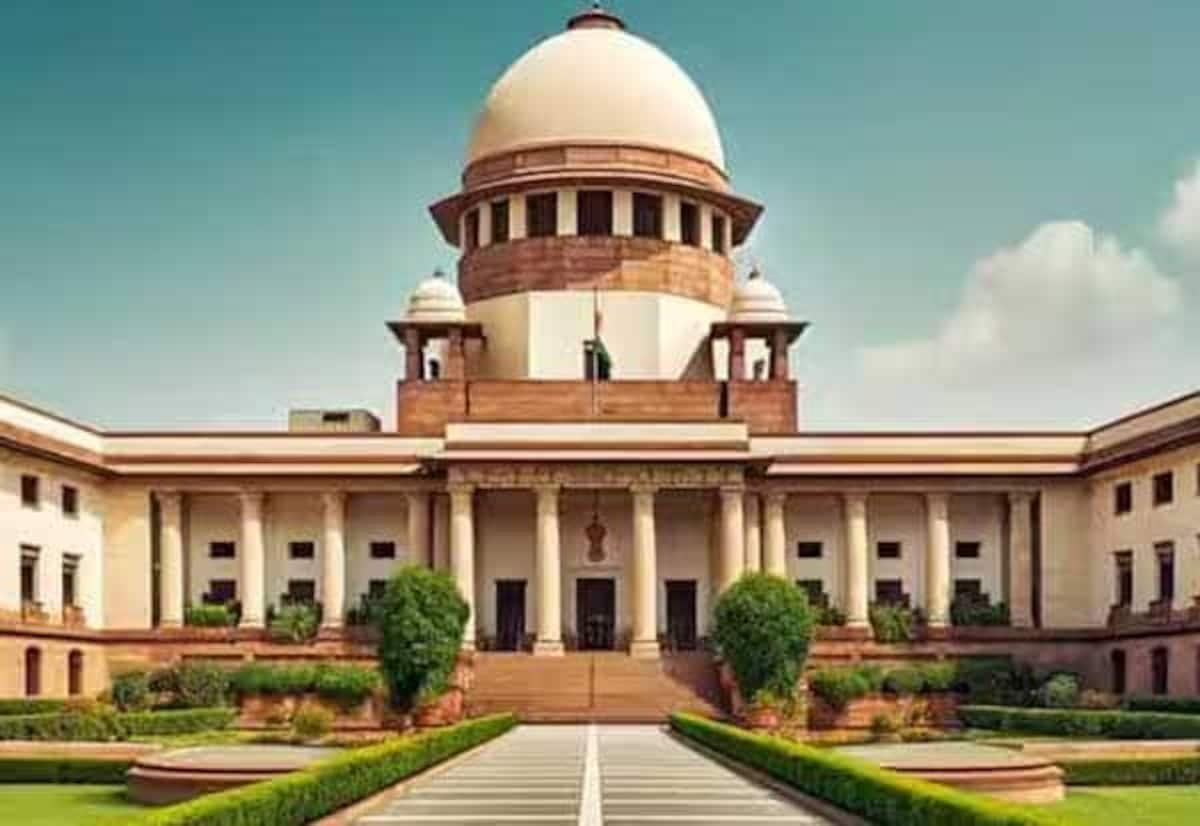
The Supreme Court on Tuesday raised pointed questions on whether the Bar Council of India (BCI) has the legal authority to regulate and control law colleges.
The matter, concerning the BCI’s functioning and rules, was heard by a bench led by Chief Justice Suryakant along with Justices Jaymalya Bagchi and V. Mohana. The Chief Justice observed that the BCI’s statutory role begins after a person completes legal education and obtains a professional licence, and said the court wanted to examine how the body could then control law colleges.
The bench also questioned whether the BCI could act as an expert body to standardise legal education, remarking that academic issues are better handled by legal scholars and educationists. It noted that while the BCI may offer general guidance, it may not be able to shut down colleges or keep them under its control.
Senior advocate Prashant Bhushan, appearing for the petitioner, alleged that in 2016 the BCI dissolved its earlier trust and transferred funds to a new trust named “BCI Pearl First”, and that BCI chairman Manan Kumar Mishra declared himself a lifetime trustee. He further said law colleges were set up in Goa and Andhra Pradesh through the trust, arguing that it was a conflict for a regulator to run its own law colleges.
Appearing for the BCI, senior advocate Guru Krishnakumar said a fresh resolution had been passed to ensure there would be no lifetime trustees, and that trustees’ terms would end along with their BCI membership tenure. The court, however, decided to examine the broader issue of whether a regulatory body can run and fully control law colleges, and issued notice to the BCI seeking a response within two weeks.