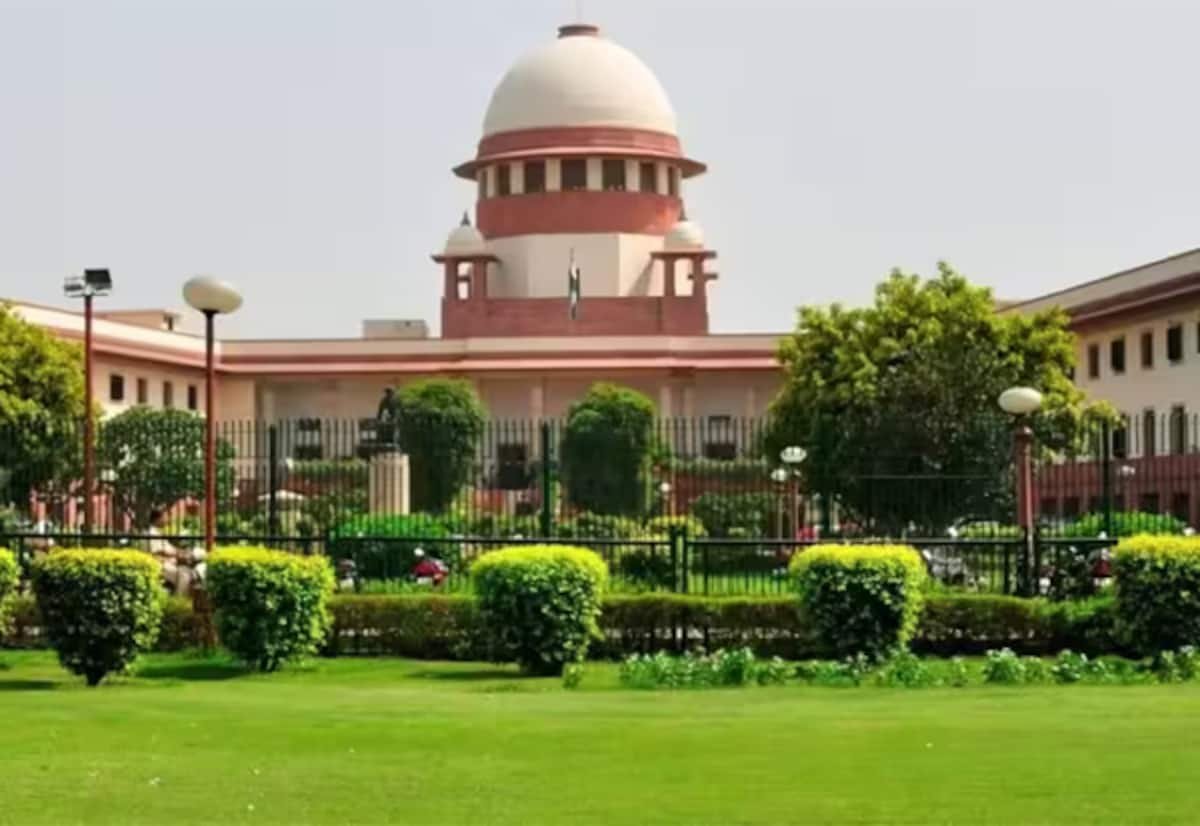
The Supreme Court has set aside amendments made by the Maharashtra government to its poison rules that required industrial methanol sold to non-pharmaceutical units to be mixed with colouring and bittering agents. The bench said blanket restrictions cannot cure alcohol dependence and warned that total prohibition can push drinking into illegal channels.
The case arose from a 1991 tragedy in Mumbai, where 93 people died after consuming illicit liquor adulterated with methanol. Following the incident, the state introduced changes in 2011, including provisions that mandated denaturing industrial methanol to prevent diversion for illicit brewing.
Several companies, including Balaji Formalin Pvt Ltd, challenged the requirement, arguing that adding chemicals affects their ability to manufacture high-grade products. During the hearing, the court noted that while methanol is hazardous and must be regulated, measures such as stringent licence checks and seizures for industrial buyers could end up harming legitimate industry and infringing fundamental rights.
The court observed that prohibition often leads to loss of tax revenue, higher enforcement costs, corruption risks in policing and excise, growth of illegal liquor, and increased drug threats. Citing repeated hooch tragedies in Gujarat under strict prohibition—where over 600 deaths have been reported across more than 10 major incidents—the bench said the focus should be on tightening controls on methanol transport and storage under excise laws.
It also called for stronger action against vehicles used for illegal liquor transport, suggesting they should not be released on interim custody until court orders. The court further recommended a dedicated health department unit and an emergency disaster-management policy to handle hooch-related crises, and urged coordinated action among departments to break the illicit production and distribution chain.