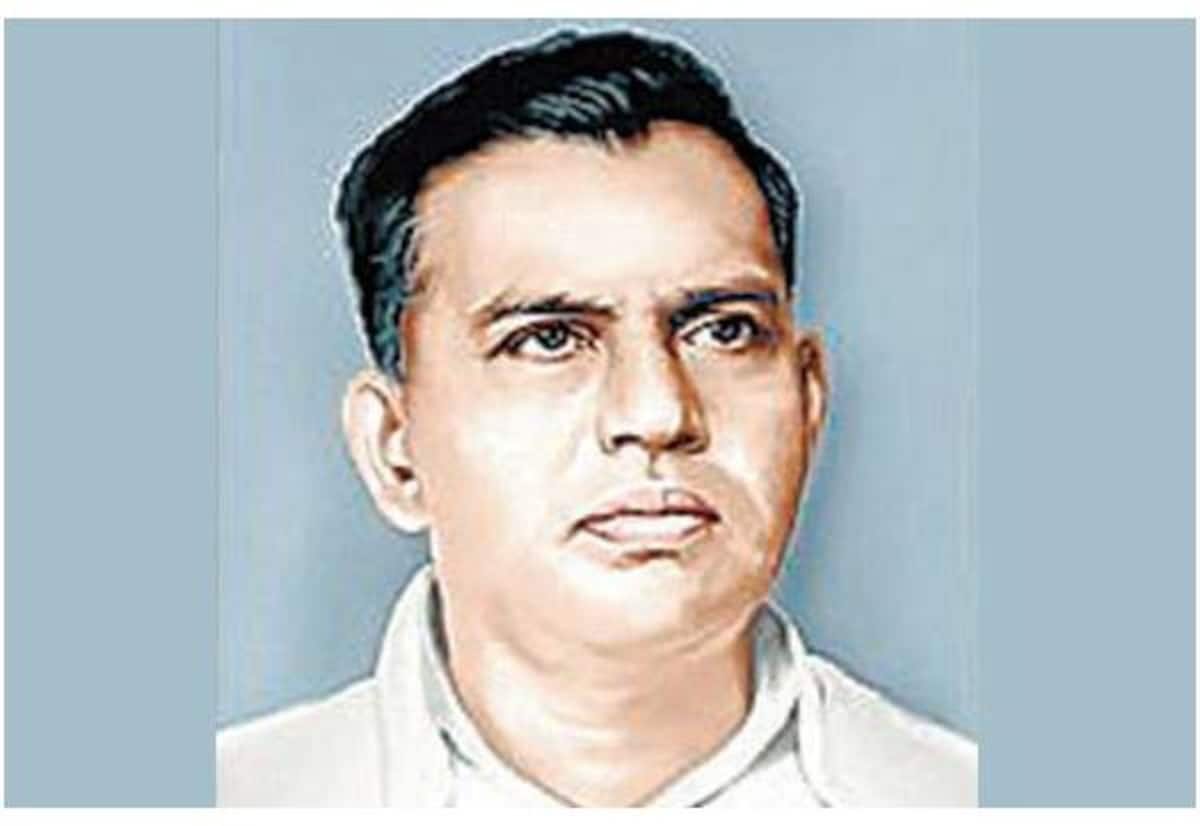
T.V. Ramasubbaiyar, remembered as an “uprising” and “revolutionary” Tamil, is being recalled on his birthday through a note written by K. Venkadapathi, a descendant from his family. The account portrays him as a man driven by high ideals and a strong sense of truth and rights from a young age.
According to the writer, Ramasubbaiyar showed unusual resolve at the age of nine when circumstances after his mother’s death prevented his father from giving his younger brother his due share. He is said to have stood firm, ensured his brother received what was owed, and then raised him alongside him.
The note describes him as someone who believed in discarding the old and embracing the new, rejecting superstition and adapting to changing times. With society and family seen as “two eyes,” he even contested for the Nagercoil municipal chairmanship with the intention of serving the public, but lost—an outcome the writer cites as an example of how honest candidates can be defeated.
Ramasubbaiyar did not give up, the account says. With deep attachment to Tamil and society, he organised Tamil conferences by bringing together Tamil teachers every year. He also believed education was the best path to remove ignorance and improve lives, and is credited with having fought the Travancore Diwan to establish schools in the Kanyakumari–Nagercoil region decades ago.
The writer further notes his role in mobilising people to merge Kanyakumari district—then linked with Travancore—with Tamil Nadu, and says he campaigned from Thiruvananthapuram through the Dinamalar newspaper until the goal was achieved. Later, despite opposition from some family members, he pursued his plan to start Dinamalar again from Tirunelveli, showing determination to complete what he set out to do.
In another episode, when he tried to sell his agricultural land to fund the Tirunelveli edition, several buyers came forward, including farm workers who had long worked on the land. When they sought priority despite having no money, he is said to have advised them on the importance of small savings, gave them a year’s time, and asked them to return after that period.