India faced acute food shortages at the time of Independence, with widespread malnutrition affecting even children. As people struggled to understand what to produce and what to eat, the Nehru-led Cabinet concluded that food research was essential.
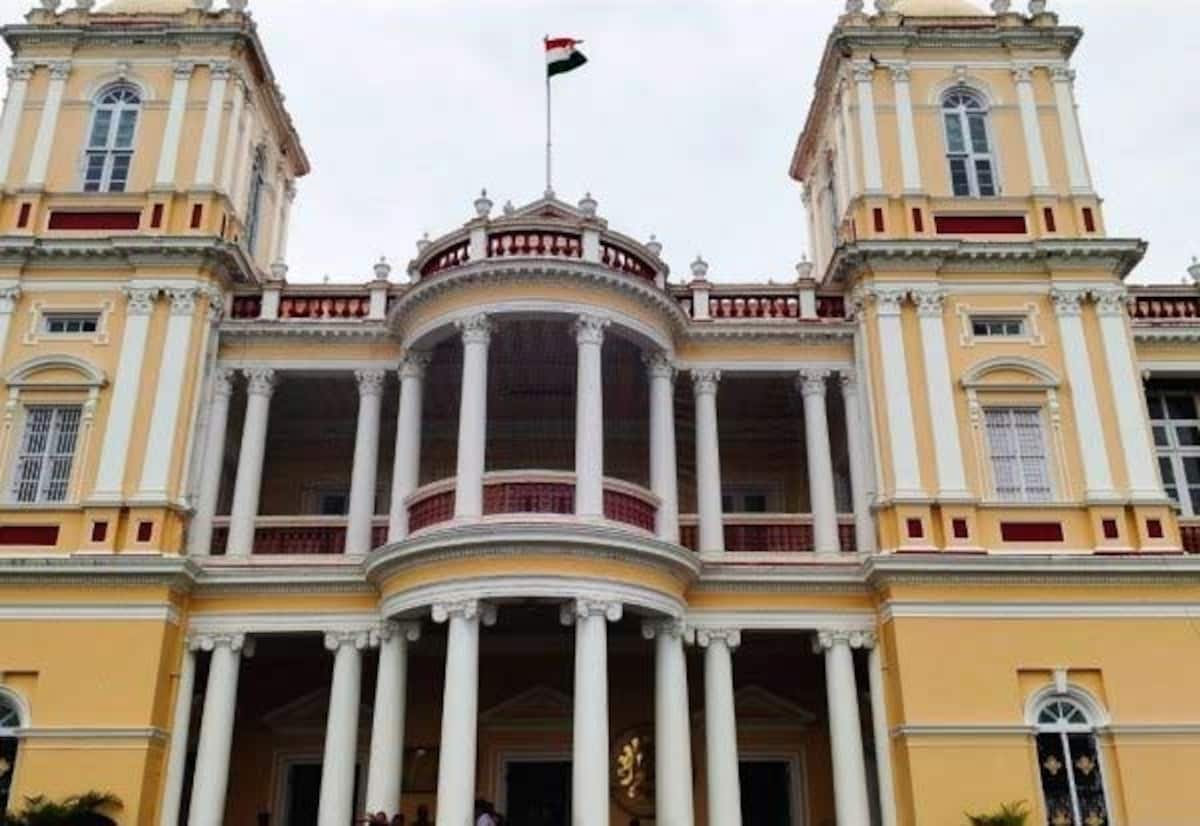
With limited space and funds, an unusual solution emerged from Mysuru: the royal family offered the 150-acre Cheluvamba Palace on a 100-year lease for public welfare, for a token amount of just one rupee. The palace was handed over to the Central government in 1948, basic infrastructure was created within two years, and it was inaugurated in 1950 by independent India’s first Governor-General, C. Rajagopalachari.
Today, the campus functions as the Central Food Technological Research Institute, focusing on food processing and preservation, preventing wastage, and improving child nutrition. The institute has played a major role in bringing packaged food ingredients to market.
It has developed around 460 product “formulas” tailored to private companies—ranging from gulab jamun premix and chicken wafers to spice oleoresins and essential oils—and about 5,000 firms sell products under licences obtained from the institute. It also supports the Gaganyaan programme by recommending foods such as peanut candy and chia seeds for Indians who will live in space, and has helped develop machines that make foods like idli and dosa.
Senior scientist Suhas said the institute primarily works on post-harvest technologies, aiming to add value to harvested produce so farmers benefit more. With 14 R&D divisions, it is described as Asia’s largest food science and technology laboratory, testing about 3,000 samples annually received from courts, ports, government bodies and individuals, and stressing that choosing unadulterated, safe food is vital for health.