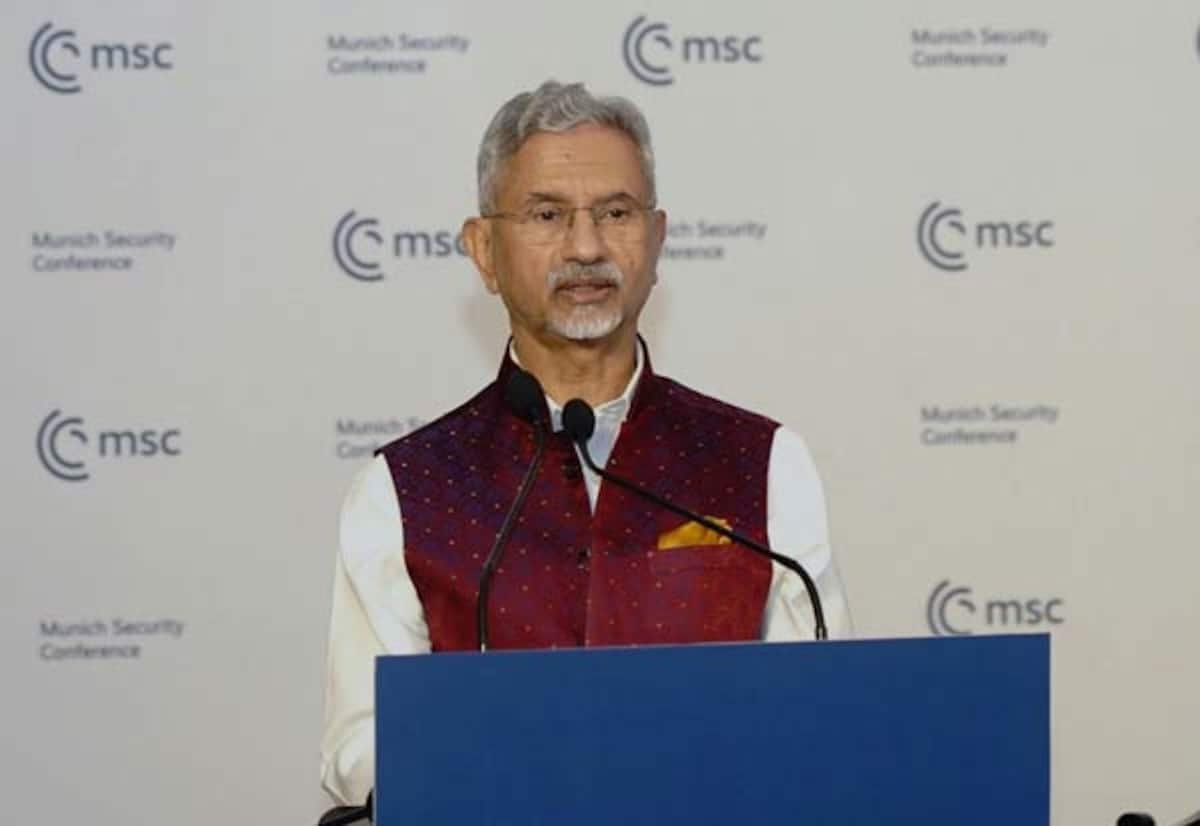
India’s External Affairs Minister S Jaishankar has warned that the world could face a major food crisis in the next few months. Speaking at the Asia Society in New York, he said the warning should be read in the context of multiple shocks hitting food systems at the same time.
He pointed to three key drivers: the war in Ukraine, conflicts in West Asia, and an intensifying El Nino. Together, these factors can disrupt the supply of grains and fertilisers, with developing and poorer nations—often described as the “Global South”—likely to be hit hardest.
Jaishankar also flagged a less visible pressure during conflicts: capital tends to move to safer destinations, leading to financial outflows from Global South economies. As a result, energy, food, fertiliser and finance can all come under stress simultaneously.
Climate outlooks indicate El Nino is strengthening, with more than a 90% chance of becoming very intense during the 2026–27 autumn and winter seasons, potentially pushing sea-surface temperatures in the eastern equatorial Pacific more than 3.0°C above normal. The event is expected to peak between October and December and could persist until March–May 2027.
India has already seen early impacts through a weaker monsoon, with seasonal rainfall at 759.4 mm—about 87% of the long-term average—and sharp shortfalls in June. The government has lowered its 2026–27 foodgrain production target, and the rabi season dependent on reservoir levels is seen as the next challenge, even as India holds sizeable rice stocks that may not fully prevent price pressures.