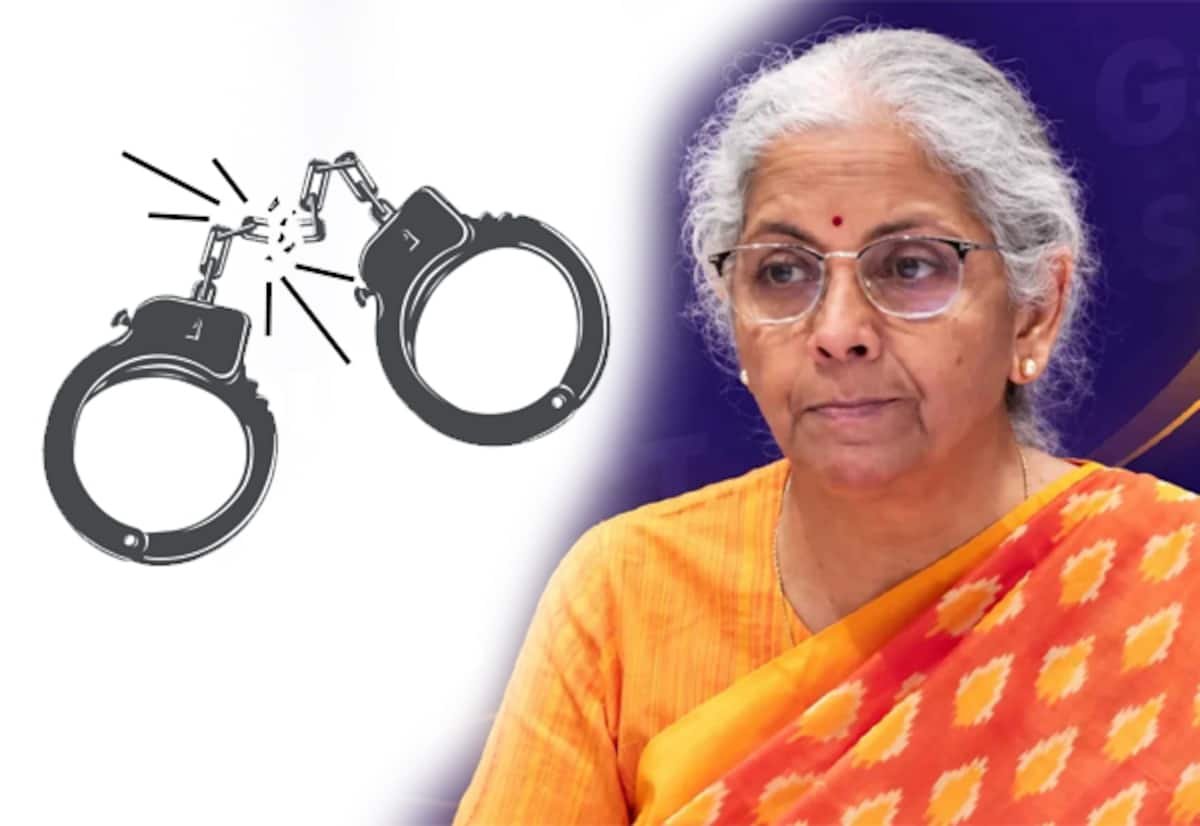
New Delhi: The GST Council has approved a set of reforms that include removing the power given to officials to arrest industry representatives under the GST law. The decisions were taken at the Council’s 57th meeting held in Delhi under Union Finance Minister Nirmala Sitharaman.
The meeting, described as part of the second phase of “GST 2.0”, did not announce any changes to GST rates. Most of the reforms are expected to come into effect from April 1, 2027.
Among key legal changes, the threshold for launching prosecution has been raised from Rs 1 crore to Rs 5 crore. The minimum punishment provision has been removed, leaving it to courts to decide whether to impose a fine, imprisonment, or both. The general penalty has been reduced from Rs 25,000 to Rs 10,000, and notices will not be issued for amounts below Rs 10,000; pending notices of this kind will be withdrawn.
The Council also decided that in routine cases of delayed or incorrect return filing, or delayed tax payment, additional penalties will be replaced by recovery of pending tax along with interest and proportionate penalties. On input tax credit, eligibility has been expanded to GST paid on employee medical and life insurance, telecom towers, free samples, and goods that must be destroyed after expiry as per law, with limited expansion for outdoor catering in specified situations.
Other measures include a quarterly tax payment and annual return scheme for taxpayers with up to Rs 5 crore turnover who supply only to unregistered persons, simplification of procedures for small e-commerce sellers, and creation of common procedures for GST litigation covering notices, pre-notice communication, fraud allegations, investigation and orders. The Council also said GST on certain “buy-and-resell” services will be levied only once, and rate-related issues will be taken up only in a dedicated annual meeting.