Sharp fall in collections
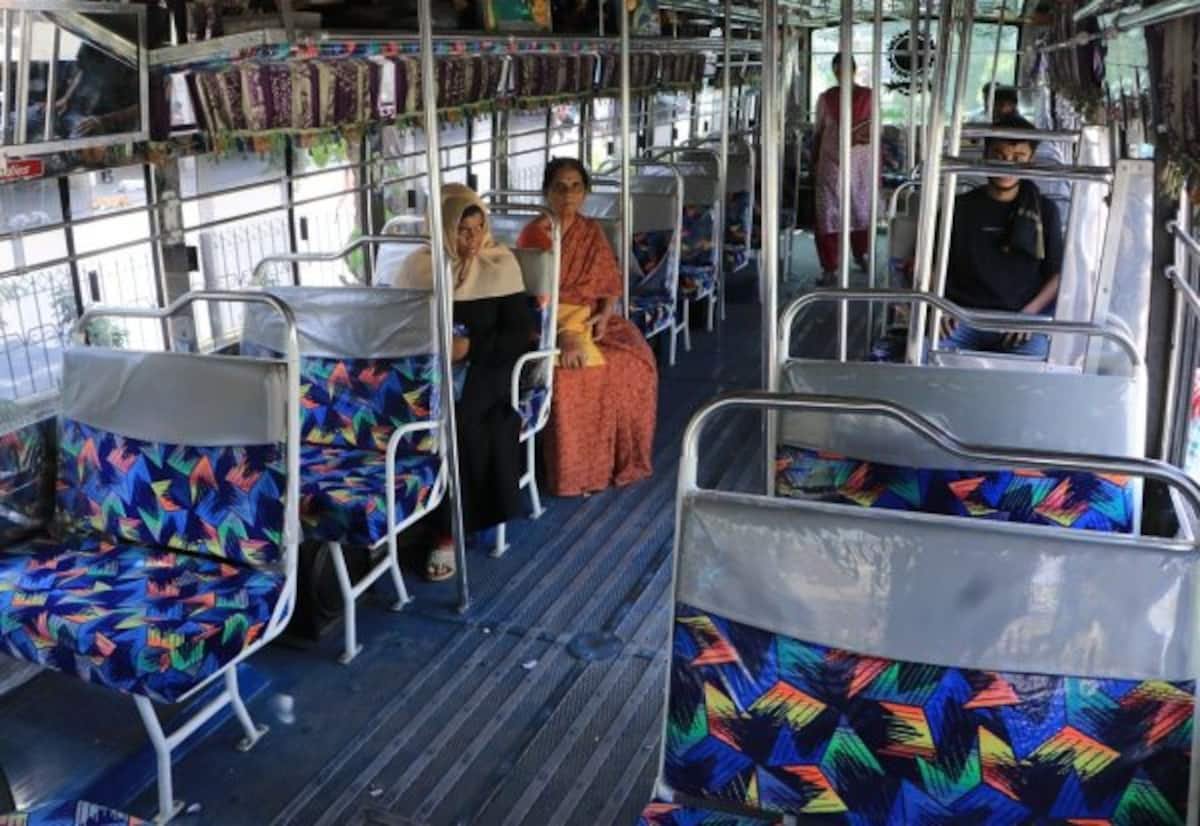
Private bus owners in Coimbatore have said the state’s women’s free travel scheme on government buses has led to a steep drop in passenger numbers on private services, putting the sector under severe financial stress.
Owners cite mounting fixed costs
District Private Bus Owners’ Association president Duraikannan said daily collections that earlier averaged around 50% have dropped to about 5% after the scheme. He said earlier earnings helped cover wages, maintenance, insurance, road tax, permits, seat tax and fitness certification (FC) expenses.
He listed recurring costs including quarterly road tax of about Rs 37,000 to Rs 42,000 depending on seating capacity, annual insurance of around Rs 1.2 lakh, and maintenance provision of about Rs 8 per kilometre. He added that a new bus costs about Rs 50 lakh, with monthly loan repayments of roughly Rs 1.25 lakh, and FC-related payments of about Rs 1.15 lakh a year.
Demand for relief and operational changes
The association urged the government to provide subsidies similar to those given to state-run buses. As alternatives, they suggested extending the free travel benefit to private buses, or taking over buses operating up to 80 km and allowing private operators to run longer routes up to 200 km through route extensions.
Drivers and conductors report reduced work
Several drivers and conductors said only peak-hour passengers now use private buses, while groups of women commuters prefer government “luxury” services, affecting ticket collections. Some said work schedules have been disrupted, with fewer operating days and earnings tied to a percentage of daily collections.
Mixed impact on other transport modes
While one share-auto driver said he continues to earn steady income by serving areas not covered by town buses, others—including auto and call-taxi drivers—reported a sharp fall in daily earnings and said they are taking up goods transport to manage expenses.