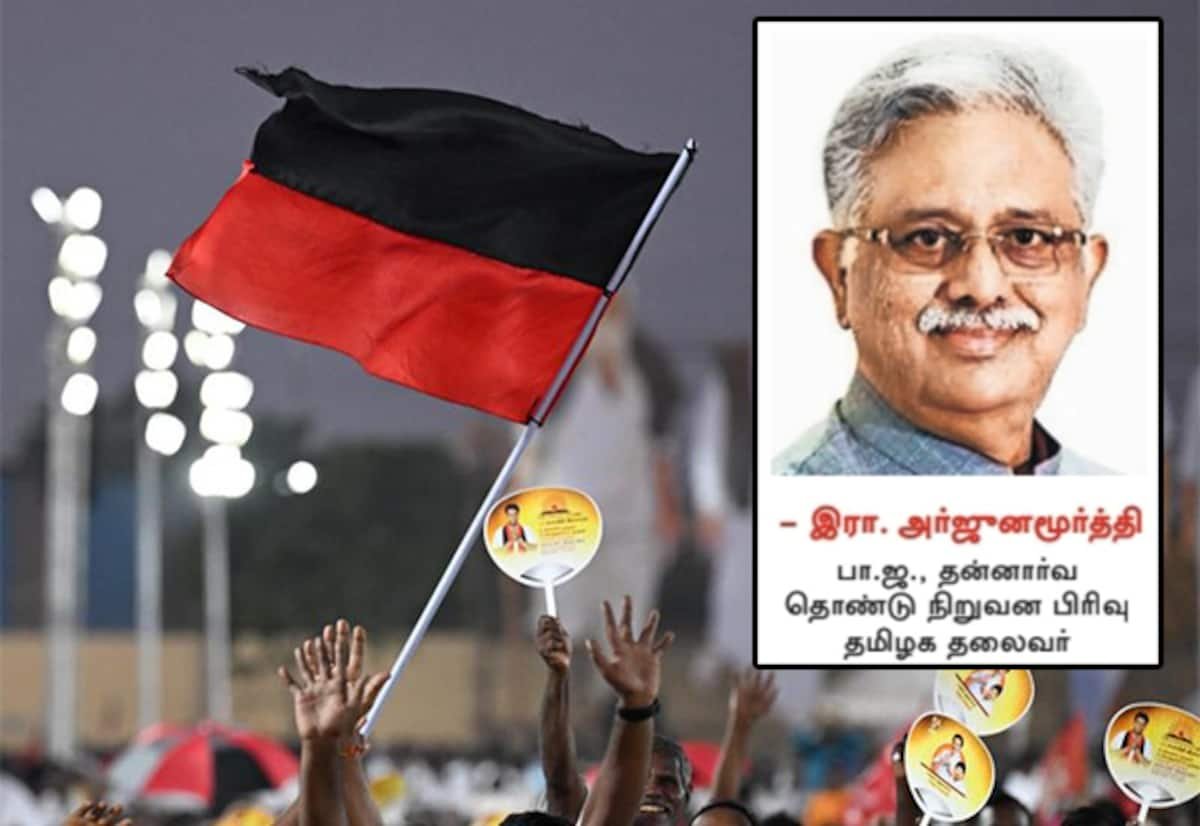
Reports said a recent meeting of DMK MPs passed a resolution seeking a return to ballot papers instead of Electronic Voting Machines (EVMs). R Arjunamoorthy, head of the BJP’s NGO wing, has criticised the move, calling it a backward approach.
He pointed out that the DMK formed the government in the 2021 Tamil Nadu Assembly election and the DMK-led alliance won all 39 Lok Sabha seats in 2024—both conducted using EVMs. However, after the 2026 Assembly election results, debates around EVMs and the Special Intensive Revision (SIR) of electoral rolls have intensified.
Arjunamoorthy argued that accepting victories as a people’s mandate while blaming technology for defeats appears contradictory. He said defeat alone cannot be treated as proof of malpractice, and any allegations should be examined only with supporting evidence.
Tracing the rollout of EVMs, he noted that the system began as a pilot in Kerala’s Parur constituency in 1982, expanded nationwide for the 2004 Lok Sabha polls, and included VVPAT paper trails at all booths in the 2019 general election. He said the Election Commission’s task of recording and counting votes for crores of voters demands robust technology, which should be improved rather than rejected on unsubstantiated claims.
On voter-roll revisions, he said issues such as deceased voters remaining on lists, duplicate entries and unupdated migration details must be corrected, but eligible citizens should not be removed without due process. He called for clear notice, objection, correction and appeal mechanisms, and urged both critics to present data-backed claims and the Election Commission to explain procedures transparently.