Protests driven by rising living costs have intensified across several European countries, as households struggle with expenses such as housing, fuel, cooking gas and education fees. Wider dissatisfaction over governance, public service quality and employment concerns has also added momentum to the demonstrations.
In France, large crowds took to the streets nationwide against price rises, declining public services and inequality. Organisers claimed around 800,000 people joined the latest protests, most of which remained peaceful, though clashes were reported in some areas.
In Limoges, protesters set fire to a 140-year-old town hall building, which was destroyed. In Paris, police used tear gas to disperse crowds, while some protesters attempted to enter a shopping complex and loot; banks and shops were damaged and vehicles were set ablaze. More than 150 police personnel were reported injured, and over 1,800 people were arrested. President Emmanuel Macron warned that those involved in violence would face action.
In Albania, demonstrations in the capital Tirana continued for a fifth day demanding Prime Minister Edi Rama’s resignation, with anger linked to corruption, unemployment and declining education standards. Police responded with tear gas, water cannons and rubber bullets after protesters threw stones, petrol bombs and fireworks and set fire to cars and trash bins.
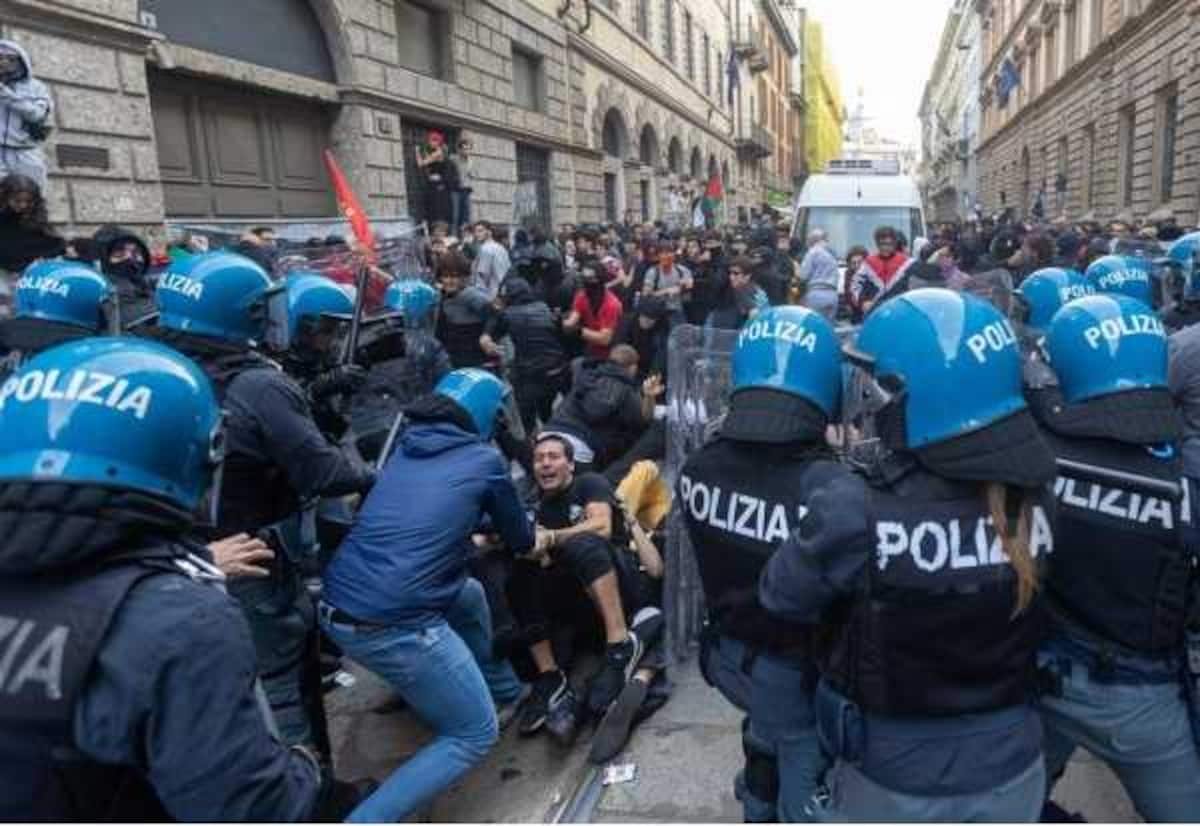
Elsewhere, protests were reported in Italy’s Milan and Bologna, where police used tear gas and water cannons. In Portugal’s Lisbon, thousands rallied against rising rents and housing costs, with reports saying home prices have doubled over the past decade. In Belgium’s Brussels, youth-led protests saw sporadic clashes, as student groups opposed higher fees and reforms they say would limit access to higher education.