As wars, natural disasters and anti-government protests keep many regions on edge, several countries are now entering an intense election season. The United States is also set to hold midterm elections for Congress on November 3.
Among the most closely watched contests is Israel’s parliamentary election, being held for the first time since the Hamas attacks in 2023 and the subsequent conflicts in the region. Under Israeli law, citizens must vote in person within the country, with no postal ballots or overseas voting system.
The vote is widely seen as a referendum on Prime Minister Benjamin Netanyahu’s handling of the wars and Israel’s domestic and international stance. Israel has more than 7.3 million registered voters, and opinion polls indicate a tight race.
In Nigeria, President Bola Tinubu faces growing public anger ahead of elections scheduled for January. While international financial institutions have praised reforms such as removing fuel subsidies, Nigerians have reportedly been hit by high inflation, soaring fuel and transport costs, and a weakening economy; more than 10 opposition candidates are in the fray.
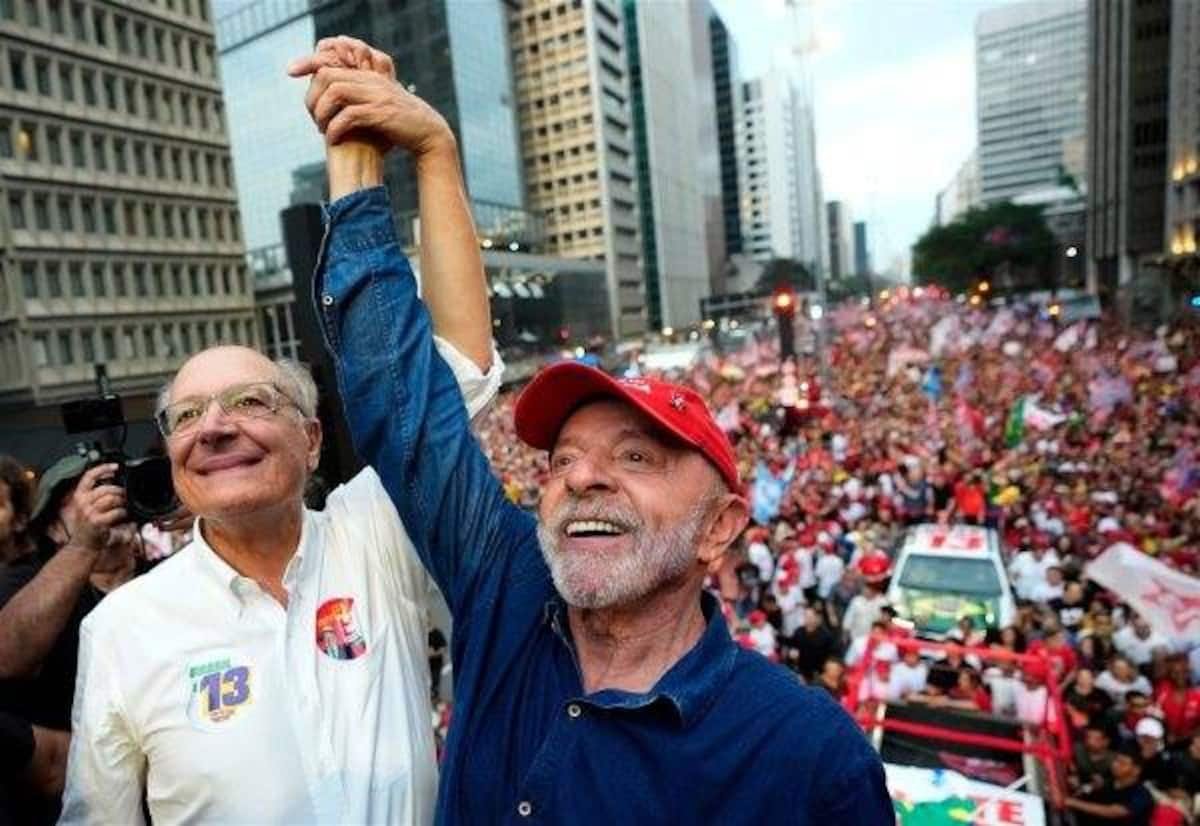
Brazil has moved to a second-round presidential vote after no candidate crossed 50% in the first round held on October 4. The runoff pits incumbent leftist President Luiz Inácio Lula da Silva against right-wing senator Flávio Bolsonaro, the son of former president Jair Bolsonaro, who is unable to contest due to corruption cases; Flávio led the first round with 47% to Lula’s 45%. Serbia, meanwhile, held a parliamentary election amid sustained protests, with a student movement contesting Prime Minister Aleksandar Vučić’s long rule and raising issues such as corruption and lack of transparency in public infrastructure projects.