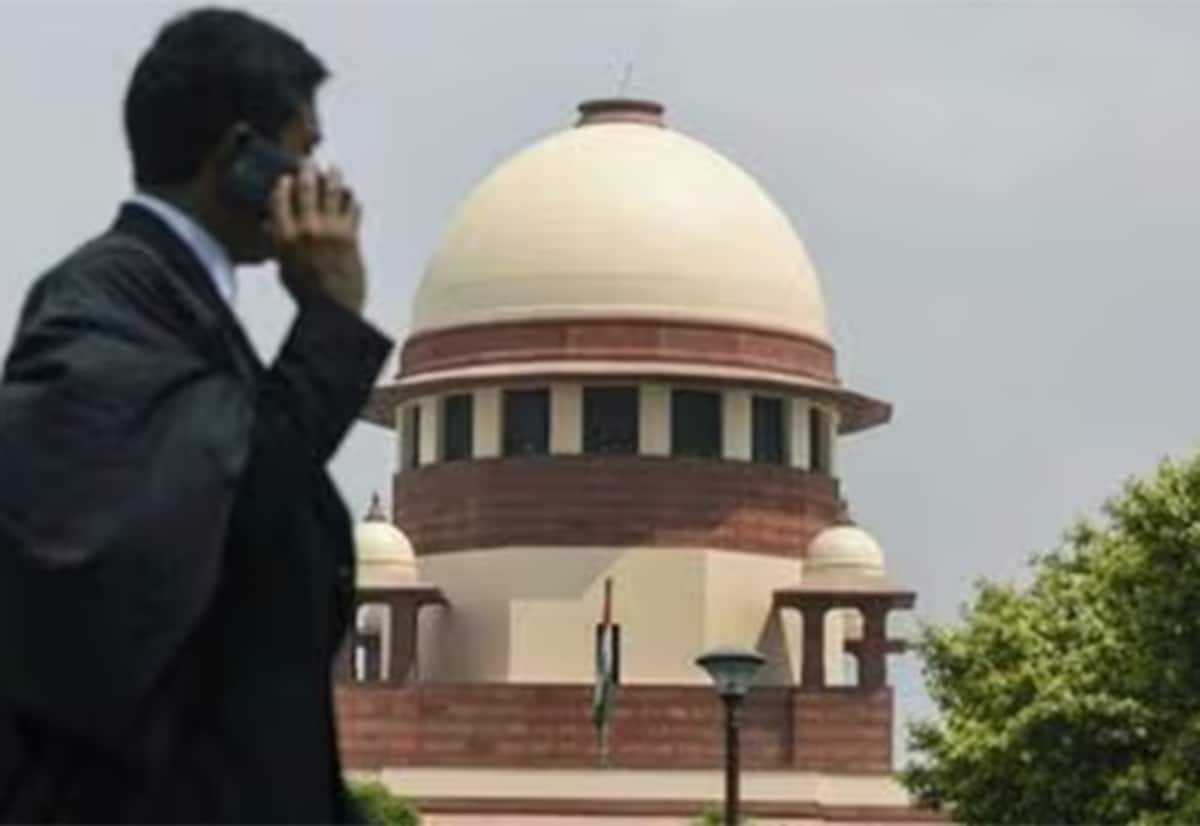
The Supreme Court has observed that a human being has only one life, and therefore directing a convict to undergo two life sentences consecutively is “paradoxical” and irrational.
The case arose from Maharashtra, where a trial court convicted a man in a murder and sexual assault matter and imposed two life terms, ordering that they be served one after the other. The Bombay High Court later upheld the trial court’s decision.
Hearing the convict’s appeal, a Bench of Justices K.V. Viswanathan and Arun Palli examined the issue and delivered its verdict on Tuesday.
The Bench held that life sentences awarded for different offences cannot be made to run consecutively. At the same time, it noted that each case must be assessed on its own facts, and any reduction in sentence in one case would not automatically dilute the impact of the life term imposed for another offence.
Accordingly, the Supreme Court set aside the Bombay High Court’s order.