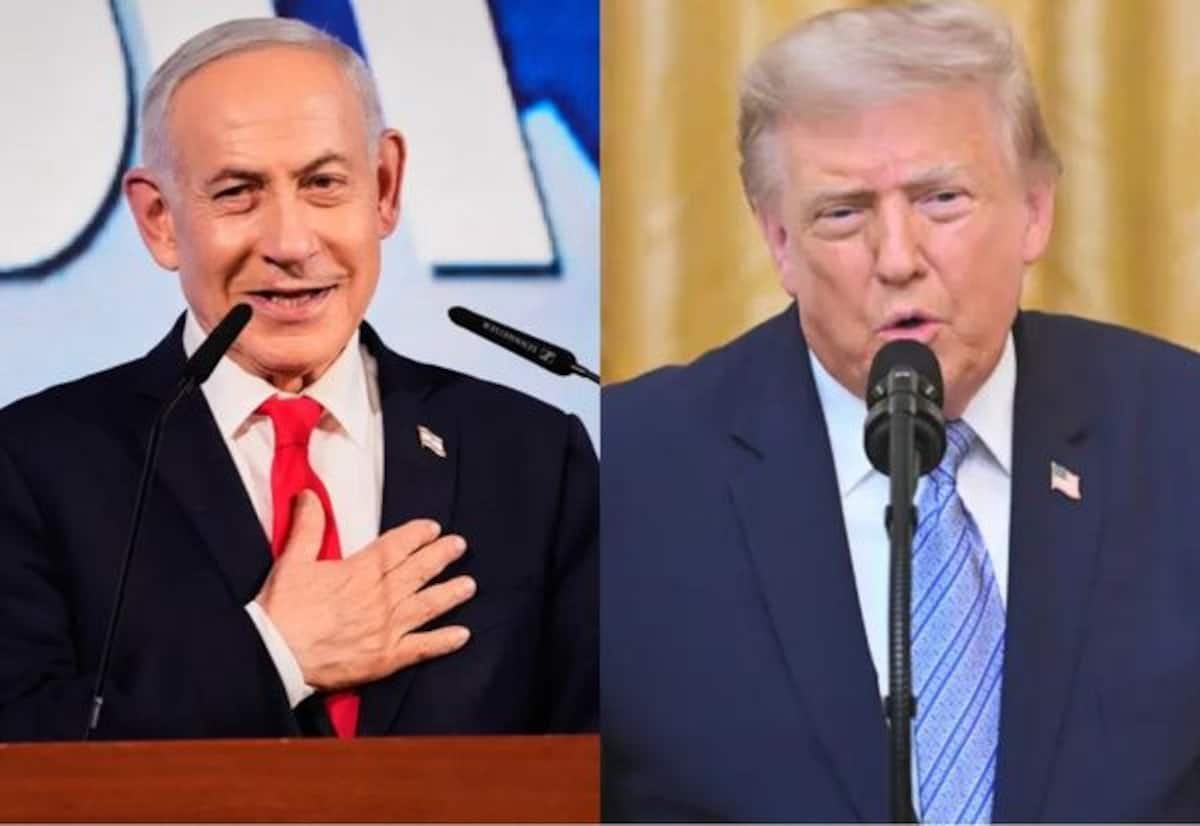
Israel’s parliamentary election has produced a hung outcome so far, with no alliance reaching the 61-seat majority needed in the 120-member Knesset. In this backdrop, US President Donald Trump claimed that his support helped Prime Minister Benjamin Netanyahu escape defeat.
The election drew a record 77% turnout, and counting began on Monday night. More than five million votes have been tallied so far under Israel’s proportional representation system, where seats are allocated based on vote share.
According to the partial results, Netanyahu’s Likud-led ruling alliance is projected to win 53 seats, with Likud emerging as the largest single party at 26 seats. The remaining seats in the bloc are split among United Torah Judaism, Shas, Otzma Yehudit, and the Zionist party.
The opposition alliance led by former military chief Gadi Eisenkot’s Yashar party is projected at 48 seats, including 21 for Yashar. A separate Arab parties’ alliance, representing a community that makes up about 20% of Israel’s population and which supports a Palestinian state, is projected to secure 19 seats.
With no bloc holding a clear majority and parties unwilling to back rival alliances, Israel could again face political uncertainty and the possibility of another election—echoing the period from 2019 to 2022 when repeated polls were held due to coalition deadlock.