Critics of India’s election process often argue that even the advanced United States does not use electronic voting machines. This report says such claims overlook the real differences between the two systems.
In Indian elections, voters cast their votes on electronic voting machines. Votes are counted booth by booth on the machines, and the booth-wise tallies are then totalled and verified by officials.
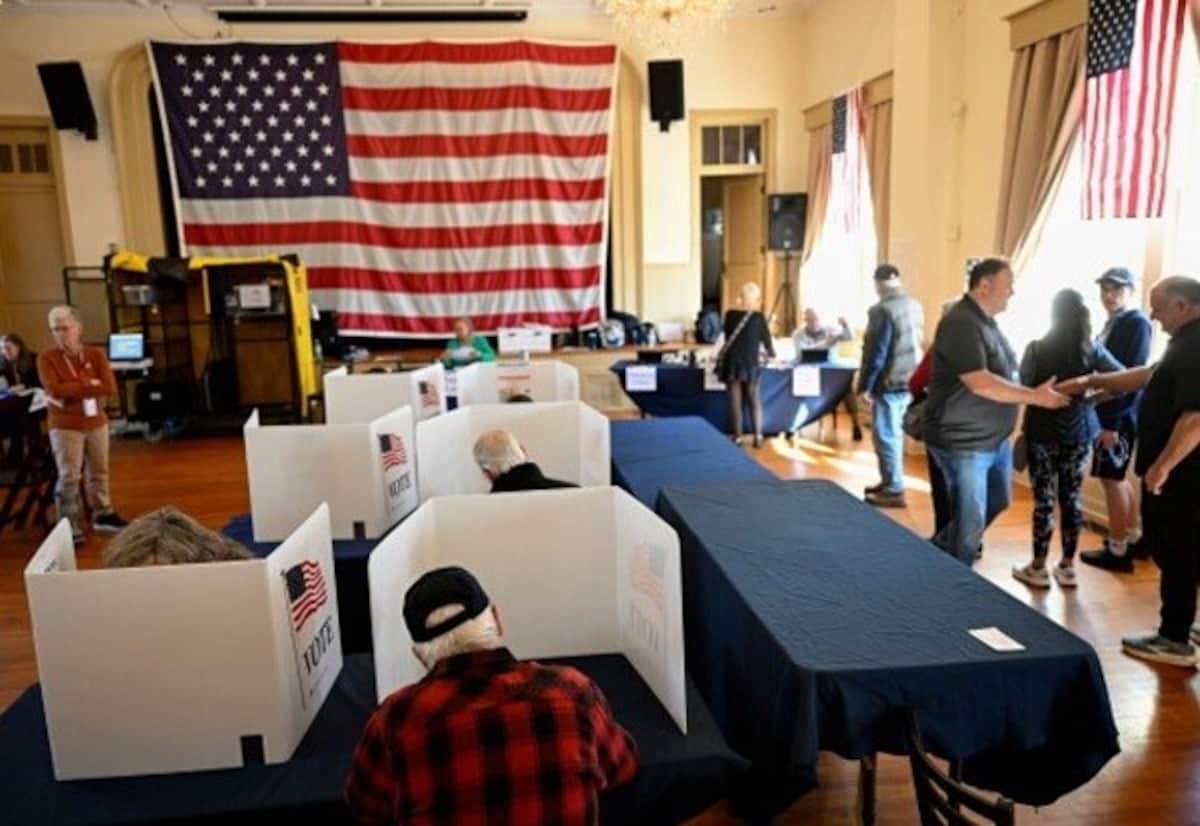
In the United States, voters mark paper ballots by filling in a circle or box beside their preferred candidate’s name. The ballot is then fed into a scanning machine at the polling station or a counting centre, which reads the marks and adds the vote to the candidate’s tally. Counting is fully mechanised, and more than 10,000 counting centres are set up across the country. Officials say large centres use high-speed machines that can read thousands of ballots every hour.
Unlike India, the US has no single nationwide election procedure, and rules differ from state to state. Voters in America choose several office-holders at once, including governors, senators, members of the House of Representatives, mayors in some cities, state executive posts and judicial positions. In India, simultaneous polling is held only for the Assembly and Parliament. Because of this complexity, counting all votes in the US can take weeks, whereas India can usually finish counting in a day, or two at most. Many countries acknowledge that the Indian process is simpler by comparison.
The report adds that American media outlets declare projected winners within hours of counting beginning, but official and complete results can take several days or even weeks.