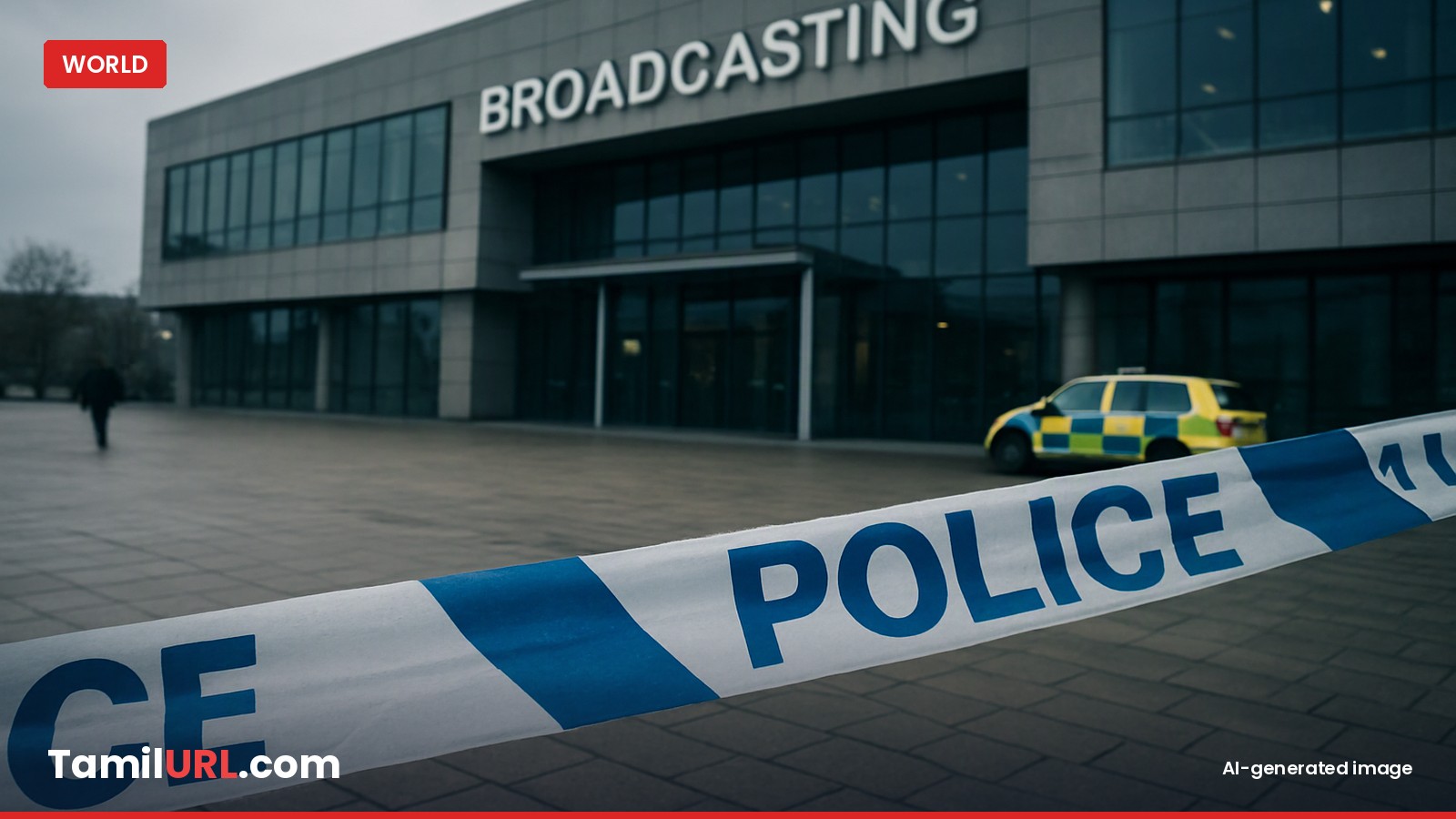
Emailed bomb threats forced staff out of television and radio stations and a newspaper office in Ireland and elsewhere in Europe on Friday, November 6. Searches turned up nothing dangerous at any location.
Companies including Ireland’s RTE, Sky in Britain and Nova TV in Bulgaria confirmed that the messages had reached them. One email, received by RTE and Nova, claimed a device had been planted and would go off in 45 minutes, adding that the clock was ticking. It also said its author was among those behind this week’s aircraft hoaxes. Who actually sent it is not clear.
Dublin and Sofia
RTE received its email shortly before 9 am local time. Police went to its headquarters in Donnybrook, Dublin, and presenters and staff left the buildings. The broadcaster stopped its usual output and, for stretches ranging from more than an hour to about three hours, carried only music and a message made earlier. News bulletins later returned from an outside broadcasting unit.
Staff were also moved out of the Irish Independent newspaper’s offices and of Marconi House, which is home to Newstalk and Today FM. Newstalk’s team returned once the warning was judged a hoax. Virgin Media Television got a similar email but kept its studios open and carried on broadcasting.
In Sofia, police attended the Nova newsroom, which was cleared, checked and declared safe. Broadcasting continued there, and employees went back to their desks.
Flights and the investigation
The emails came after days of false bomb alerts aimed at passenger aircraft in many European countries. Some planes were diverted or landed unscheduled, and fighter jets accompanied others. The number of flights targeted has risen above 40, and inspections have so far found no explosives.
The Irish government said it does not yet know whether individuals or a centralised effort lie behind the threats. Given the aviation disruption, it said, a coordinated campaign of disruption seems likely, and it called the threats against media organisations very serious. Police are working with Ireland’s military, cyber and aviation authorities and with counterparts elsewhere in Europe to identify those responsible.
Prime Minister Micheal Martin called the situation worrying and said the threats were being treated seriously. He said such hoaxes are meant to cause disruption, fear and anxiety, and urged people to stay calm.
The incidents come ahead of high-level European meetings in Dublin next week. Martin said security agencies were working closely with European partners in preparation.